Hold the Door Zombie Defense Team Play in Hold the Door
Coordinate up to 25 defenders—roles, callouts, and shared door survival.
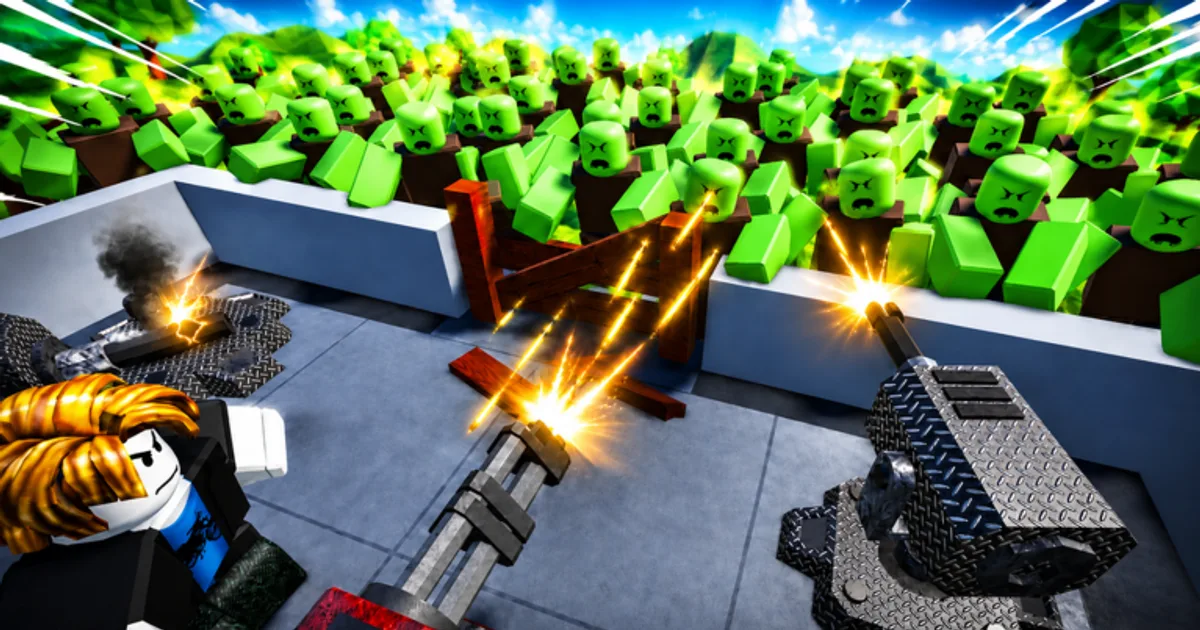
Hold the Door: Zombie Defense supports up to 25 players on one door. That scale is the game’s identity: waves that feel manageable solo become chaotic when twenty builders spend the same income stream without a plan. Good team play is not about everyone placing the same cheap tower—it is about role splits, clear callouts, and respecting shared lose conditions. This guide shows how to turn a public lobby into a coordinated defense without needing a private voice channel.
Read Getting Started for solo economy basics and Controls if you need faster placement before joining large servers.
Why 25-player lobbies need roles
When many players can place towers, three problems appear instantly:
- Duplicate coverage — four splash stacks on one choke while another path is empty.
- Starved roles — nobody buys slow, support, or door repair because DPS looks exciting.
- Communication lag — door HP drops while chat argues about unlock order.
Roles fix overlap by assigning functions, not specific tower names. Think cheap front line, splash, single-target boss damage, slow/support, and door specialist. Exact units shift with patches—use the Tier List for current rankings.
Recommended role split
These roles scale from duos to full 25-player lobbies. Combine roles when player count is low.
Front line and economy (2–6 players)
- Place cheap early towers on first bends immediately after waves end.
- Call unspent income so specialists know budget exists.
- Avoid upgrading duplicates if another path still leaks.
Splash and AoE (1–4 players)
- Own intersection chokepoints where zombies stack.
- Cover add lanes during boss phases—critical for Rusty Queen on Mine per Beat Bosses.
- Do not retarget for boss unless front line confirms adds are dead.
Single-target boss damage (1–3 players)
- Pre-build boss lane before announcement.
- Focus Rusty Queen during kill windows; trust splash for trash.
- Save upgrade income for boss week, not wave three flex.
Slow and support (1–2 players)
- Extend kill time at the longest sightline.
- One well-placed support often beats three redundant DPS stacks.
- Pair with splash at the same choke for maximum value.
Door and repair specialist (1–2 players)
- Watch door HP every wave; repair at team danger threshold.
- Fund door HP upgrades when DPS roles are stable.
- Call “door low” early—recovery is cheaper than wipe.
Flex / scout (remaining players)
- Fill gaps on Maps with weird pathing like Subway King Viking Medium.
- Replace sold or misplaced towers without ego.
- Escort new players through shop menus if they stall—see Controls.
In a full lobby, not everyone needs a unique job; overlapping front line is fine if side paths are covered.
Communication that actually helps
Chat spam loses matches. Use short, repeatable callouts:
- “Door 40%” — triggers repair specialist action.
- “Adds left” — splash or flex retargets without boss DPS panic.
- “Boss lane ready” — confirms single-target setup before Rusty Queen.
- “Need splash mid” — requests role coverage, not generic help.
- “Saving for repair” — prevents teammates assuming income is free.
Voice is optional. Typed callouts during boss waves are enough if timed early. Praise correct role play—it encourages strangers to stay on job.
Shared economy etiquette
Hold the Door shares outcomes even when spending feels individual. Etiquette rules:
- Do not sell choke towers without calling it—someone may rely on that splash radius.
- Do not hoard income for a luxury unlock when door HP is yellow.
- Unlock complementary roles before duplicating your own.
- Let door specialist spend on repair during boss prep windows.
- Check Codes as a group before long sessions so everyone claims the same promo timing.
Greedy builds that solo Easy may grief Medium lobbies. If you join public Lava Pit Hard or Mine Medium, play for the door, not for highlight clips.
Map-specific team notes
Team coordination changes by layout—details in Maps:
- Lava Pit Easy / Medium / Hard — assign one player per major branch on Hard; lava visuals hide small leaks.
- Mine Medium — tunnel callouts matter; boss and add lanes overlap during Rusty Queen.
- Subway Club King Easy — good training lobby for role discipline with lower wipe risk.
- Subway King Viking Medium — longer paths reward scouts and early splash contracts between players.
Queue the map your role fits. Boss damage mains should not queue Mine without a door specialist willing to join.
Solo habits that scale to teams
If you usually play alone, bring three transferable skills:
- Door glance every wave — becomes team-wide callouts later.
- Role-aware shopping — you already know splash versus single-target timing from Getting Started.
- Between-wave placement speed — frees mental space to read chat.
Watch full-lobby clears to see pacing; apply the same spend priorities with divided labor.
Handling bad public lobbies
Not every server cooperates. Mitigation steps:
- Cover missing splash yourself once before complaining.
- Ping door HP numbers instead of blaming.
- Switch to flex scout if four players already stacked boss damage.
- Re-queue after two failed Rusty Queen attempts with zero repair spend—some lobbies are unsalvageable.
Private groups of friends can enforce stricter roles, but public wins still happen when two players commit to door and splash silently.
Endgame team goals
Once your lobby clears Mine Medium reliably, push:
- Lava Pit Hard speed clears with dedicated front line rotators.
- Subway variant farming with map scouts who know spawn timing.
- Boss optimization from Beat Bosses with assigned add control.
Update strats after patches—Zomvex may adjust wave density or door repair costs. Team fundamentals (roles, callouts, shared door) survive balance changes better than copy-paste tower lists.
Twenty-five players holding one door sounds chaotic; with roles, it is the strongest way to experience Hold the Door. Master communication, respect repair, and let specialists cook.
Frequently Asked Questions
Quick answers players ask before every session.
How many players can join one Hold the Door server?
Up to 25 players can defend the same door in one server. Team Play roles scale down for duos and trios—combine jobs when lobbies are not full.
What roles should a team assign in Hold the Door?
Split front line economy, splash or AoE, single-target boss damage, slow or support, and door repair. Flex players cover map-specific leaks and missing roles.
How do I communicate door HP in public lobbies?
Use short callouts like “door 40%” or “need repair” early enough for specialists to spend. Avoid long chat arguments during boss waves.
Why do 25-player lobbies still wipe on Easy maps?
Duplicate DPS on one choke, zero repair spend, and no splash for adds cause shared wipes. Roles and etiquette matter more than player count.
What is the best team map to learn coordination?
Subway Club King Easy and Lava Pit Medium teach callouts without Rusty Queen pressure. Move to Mine Medium when door and boss roles are reliable.
Do team strategies differ for Rusty Queen?
Yes. Assign boss damage, splash add control, and a door specialist before Rusty Queen spawns. Beat Bosses covers fight timing; Team Play covers who does each job.